Forensic disciplines (continued) / history / classical principles / deduction
Probabilistic reasoning; Evidential strength: the likelihood ratio
Forensic reporting, conclusion scales; Fallacies
3 CriminalisticsCharles Berger
Definitions of forensic science
Forensic science is the application of scientific principles and technological practices for the purposes of justice in the study and resolution of criminal, civil and regulatory issues.
American Academy of Forensic Sciences, 2003
Forensic science is a systematic endeavor to describe how events of legal concern have happened based on observation, hypothesis formation, and experiment.
Sensabaugh, 1997
Criminalistics is the science of individualization.
Kirk, 1963
Criminalistics is the science of reasoning backwards.
Berger, 2009
4 CriminalisticsCharles Berger
Definitions of criminalistics
that profession and scientific discipline directed to the recognition, identification, individualization, and evaluation of physical evidence by application of the physical and natural sciences to law-sciences matters.
American Board of Criminalistics
that professional occupation concerned with the scientific analysis and examination of physical evidence, its interpretation, and its presentation in court.
California Association of Criminalists
5 CriminalisticsCharles Berger
Criminalistics / forensic science
Forensic science also includes disciplines that:
are not a physical or natural science, such as psychology of law and forensic accountancy;
are not (mainly) aimed at finding the truth, such as forensic psychology and psychiatry.
The scientific study of the causation, correction, and prevention of crime.
Subdivision of the larger field of sociology.
7 CriminalisticsCharles Berger
Focus of the course
Not on all the separate disciplines, but on what they have in common
Not on the analysis (technology), but on the interpretation (principles)
More generally valid within forensic science
Less temporary
Different from ‘normal’ academic science
More useful for legal practitioners
8 CriminalisticsCharles Berger
Netherlands Forensic Institute
9 CriminalisticsCharles Berger
NFI mission
On behalf of its clients, the NFI uses state-of-the-art technology and science to provide high-quality forensic services
Aimed at truth, guided by science, for a safer society
10 CriminalisticsCharles Berger
Organization
The NFI does not have prosecutorial powers or duties
The NFI does not have a supervisory role over the Public Prosecution Service, the police or other clients
The NFI is an independent services provider
Requesters are free to choose any forensic services provider
11 CriminalisticsCharles Berger
Organization
12 CriminalisticsCharles Berger
Core tasks
Examinations in criminal cases (70%)
Research and Development (15%)
Center of knowledge and expertise (15%)
13 CriminalisticsCharles Berger
Medical / biological
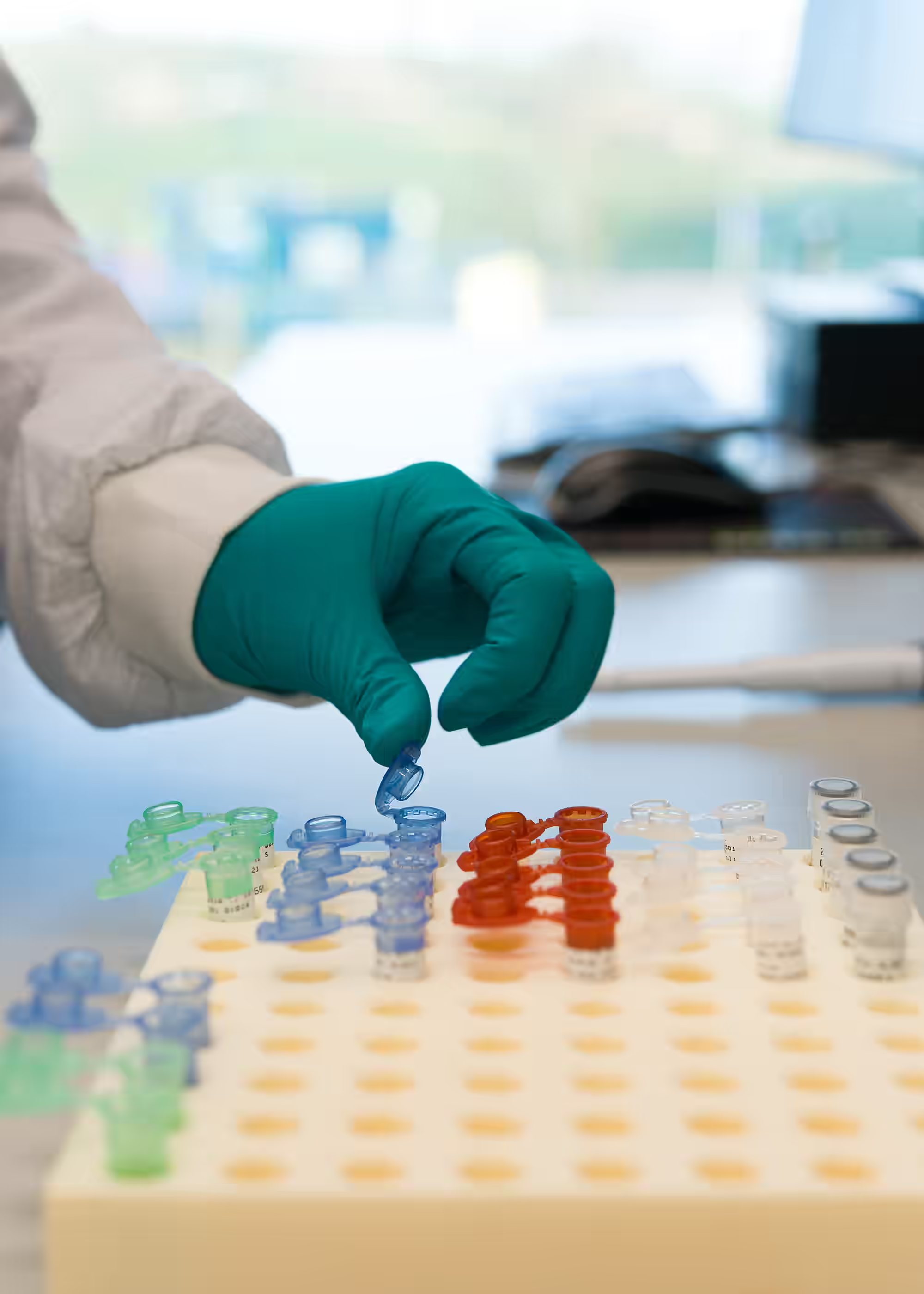
DNA analysis
non-human DNA analysis
hair analysis
blood pattern analysis
age estimation living persons
forensic anthropology
forensic medicine
forensic pathology
toxicology
14 CriminalisticsCharles Berger
Physical / chemical
waste products and risks
arson, technical and material analysis
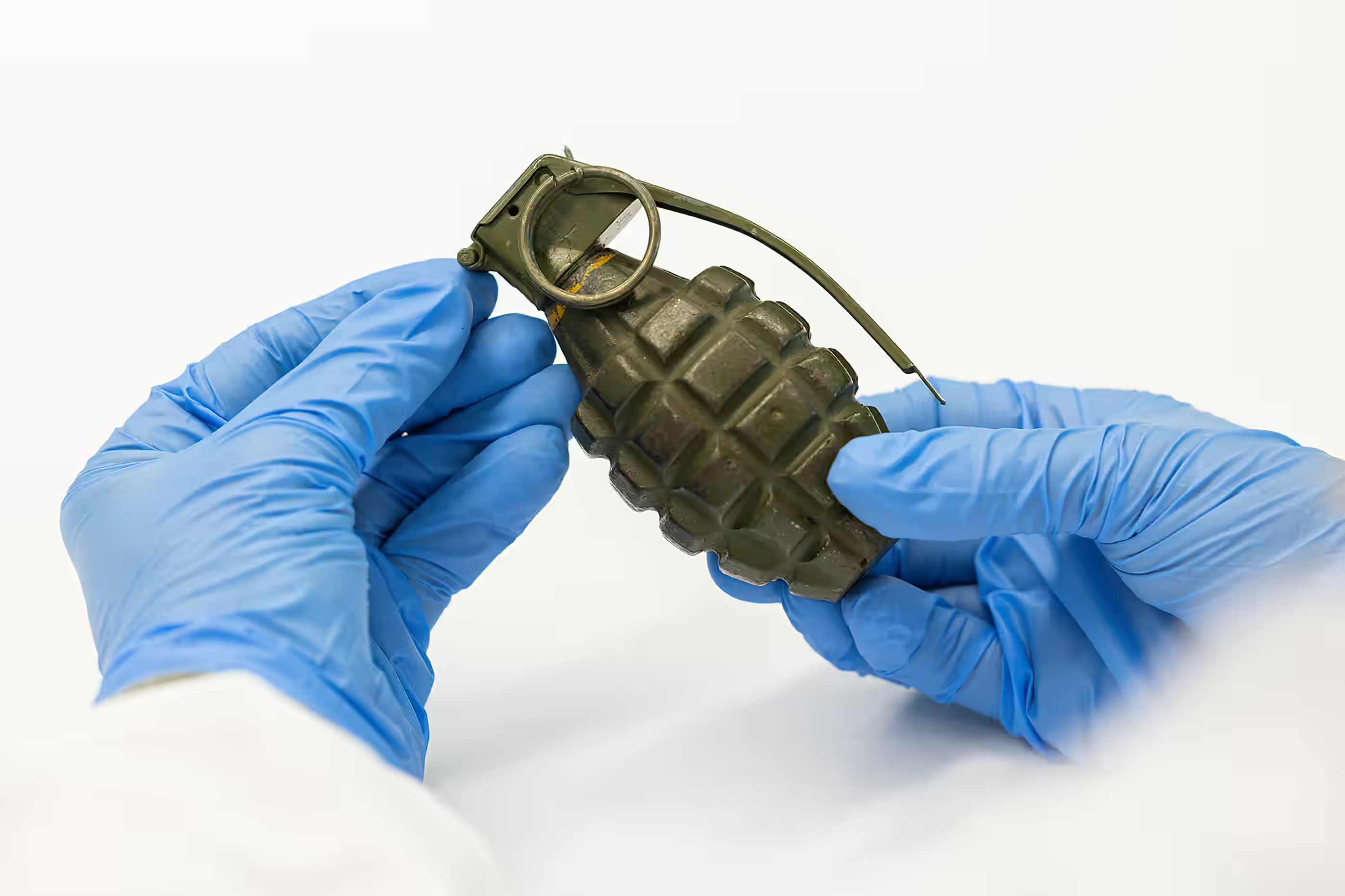
explosions and explosives
tool marks
traffic accident investigation
weapons and ammunition
15 CriminalisticsCharles Berger
Microtraces
forensic element analysis
gunshot residue analysis
glass, paint, tape and glue analysis
chemical identification analysis
fiber and textile analysis
16 CriminalisticsCharles Berger
Drugs
drug analysis
drug production investigation
drug comparison
17 CriminalisticsCharles Berger
Digital technology and biometry
closed and open systems
data communication
image analysis and biometry
document examination
handwriting examination
face comparison
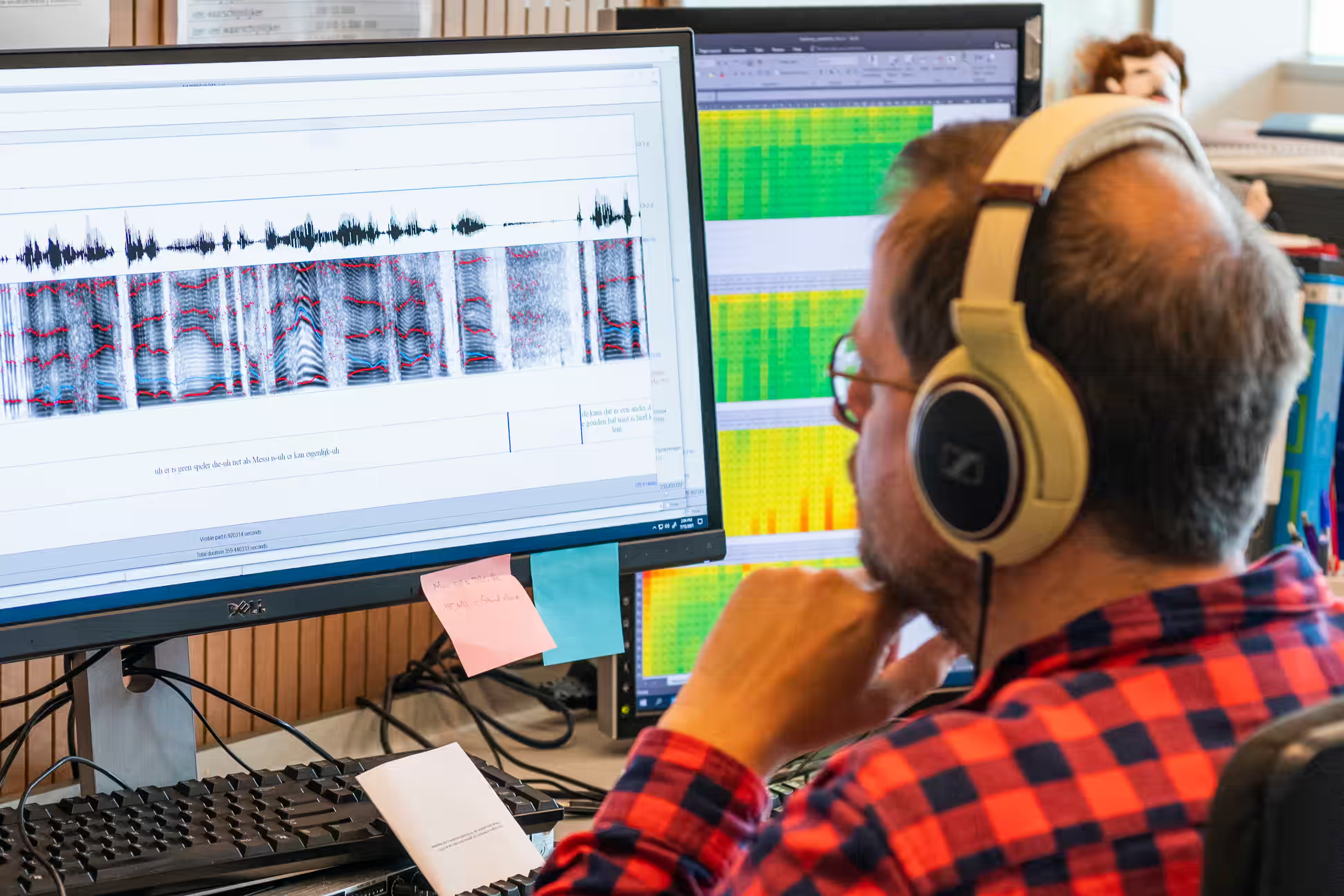
speech and audio analysis
fingerprinting
18 CriminalisticsCharles Berger
Front office
front desk (intake of exhibits)
forensic advice/forensic intake
Mobile Forensic Team (MFT)
forensic archeology
19 CriminalisticsCharles Berger
Facts and figures (2018)
number of products delivered: 67600
Biological Traces: 47000
Digital and Biometric Traces: 1000
Chemical and Physical Traces: 13600
Specialist Services and Expertise: 6000
staff members: about 600
20 CriminalisticsCharles Berger
Clients, national and international
Public Prosecution Service
Police
The Judiciary (judges)
Fiscal Information and Investigation Service
National Coordinator for Counter-Terrorism
Netherlands Competition Authority
Immigration and Naturalization Service
United Nations
International Criminal Courts
International Tribunals
EU
21 CriminalisticsCharles Berger
Collaboration
Nationally and internationally with:
forensic institutes
universities and colleges
knowledge institutes
companies
22 CriminalisticsCharles Berger
Input
Output
23 CriminalisticsCharles Berger
Output
24 CriminalisticsCharles Berger
Many areas of expertise
Blood spatter patterns Digital Technology Disaster Victim Identification DNA Analysis DNA parentage testing Document examination Drugs analysis Ecological toxicology Embedded systems Environmental forensics Explosives and explosions Fibers and textile Fingermark comparison Fingermark detection Fire examination Forensic photography Forensic statistics Gunshot residue Hair Handwriting examination Illicit drug production Image comparison Non-human DNA Open systems Pathology Speech and audio analysis Tool marks Toxicology Traffic accidents Vehicle identification Weapons and ammunition
25 CriminalisticsCharles Berger
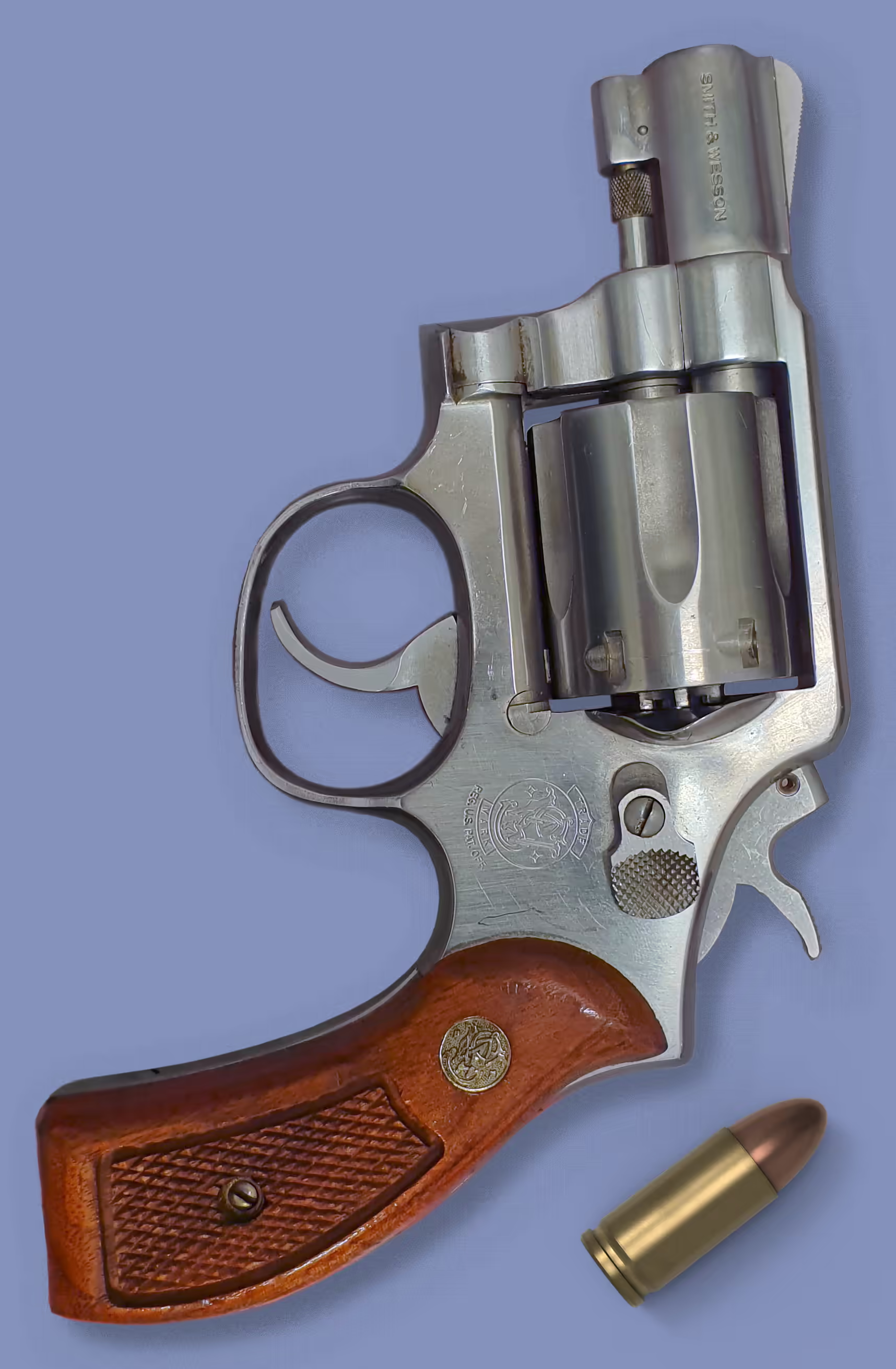
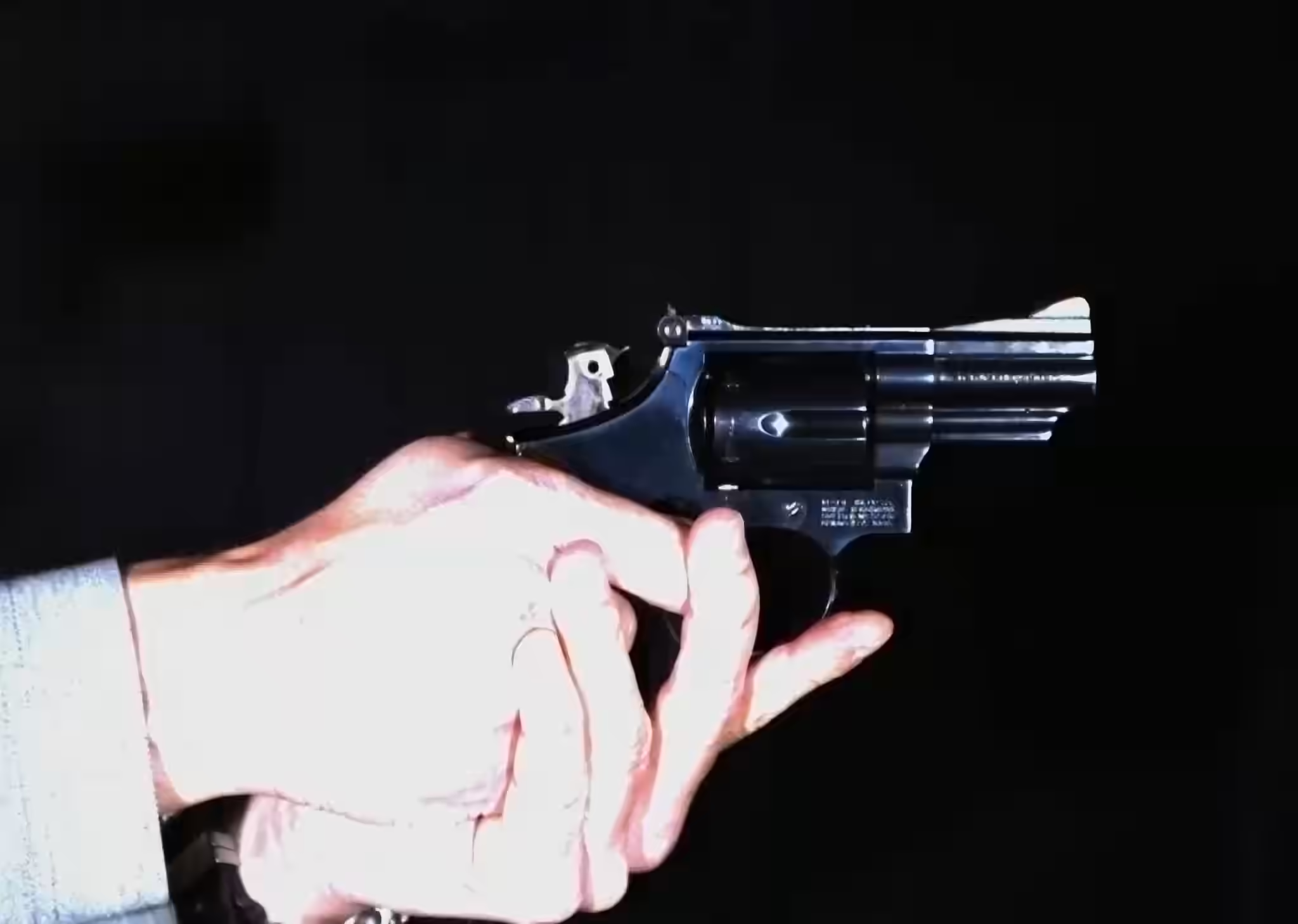
Firearms and ammunition
Questions
Link weapon to bullet and cases to each other
Classification
Evidential material
Firearms, bullets, cartridges
Analysis
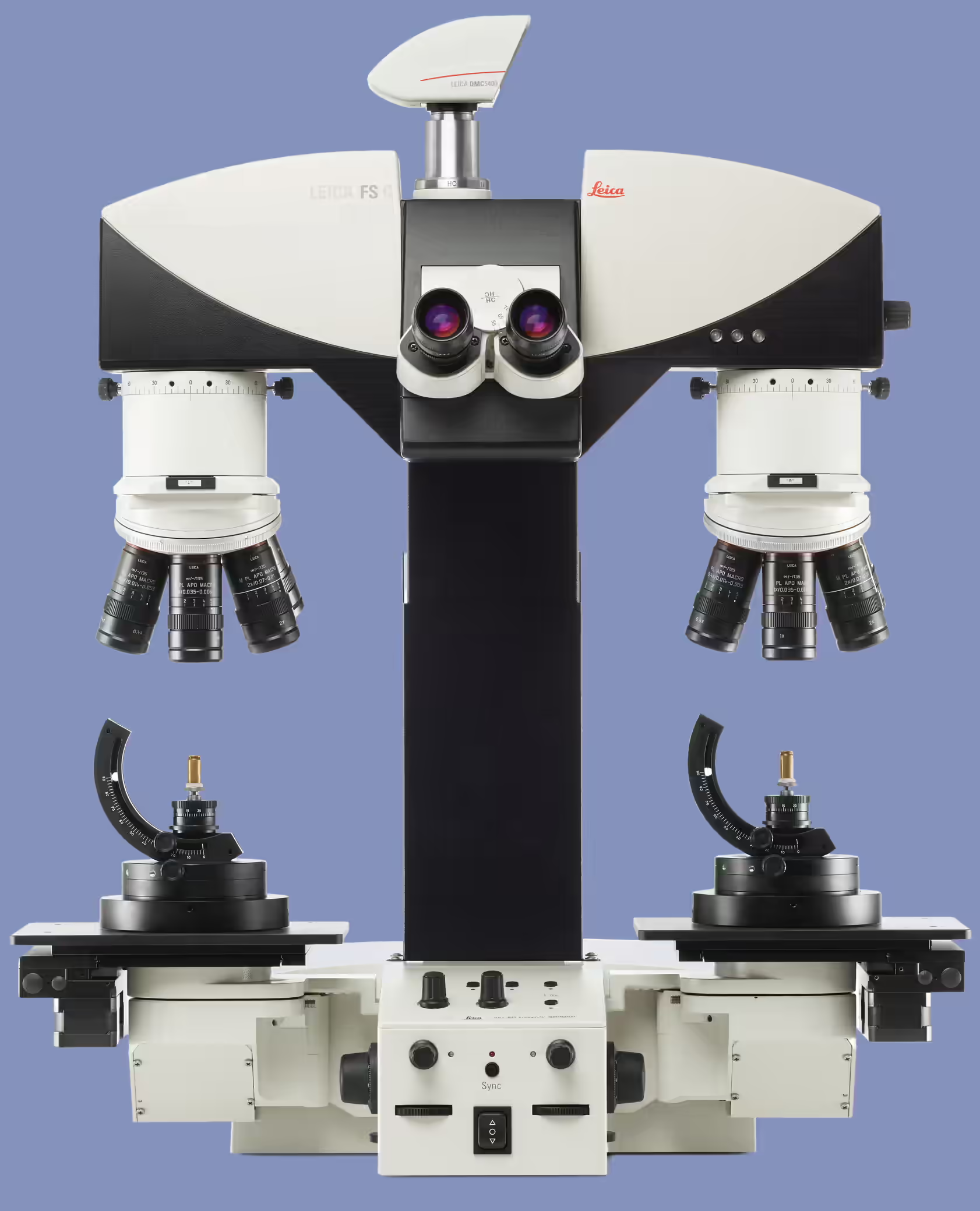
Comparison microscope
Interpretation
Expert opinion
Databases
26 CriminalisticsCharles Berger
27 CriminalisticsCharles Berger
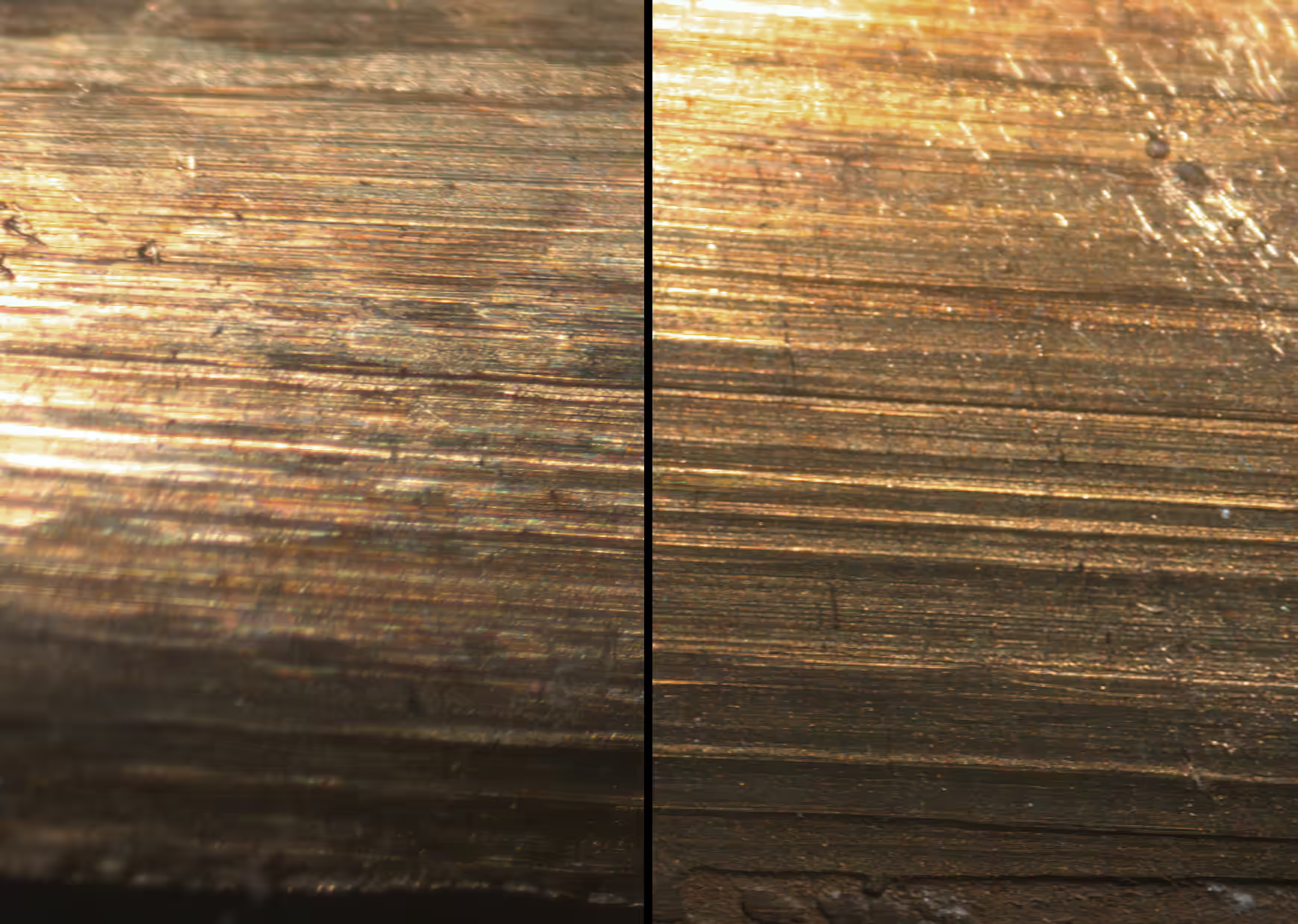
Analysis
crime scene bullet
suspected gun bullet
28 CriminalisticsCharles Berger
Interpretation
29 CriminalisticsCharles Berger
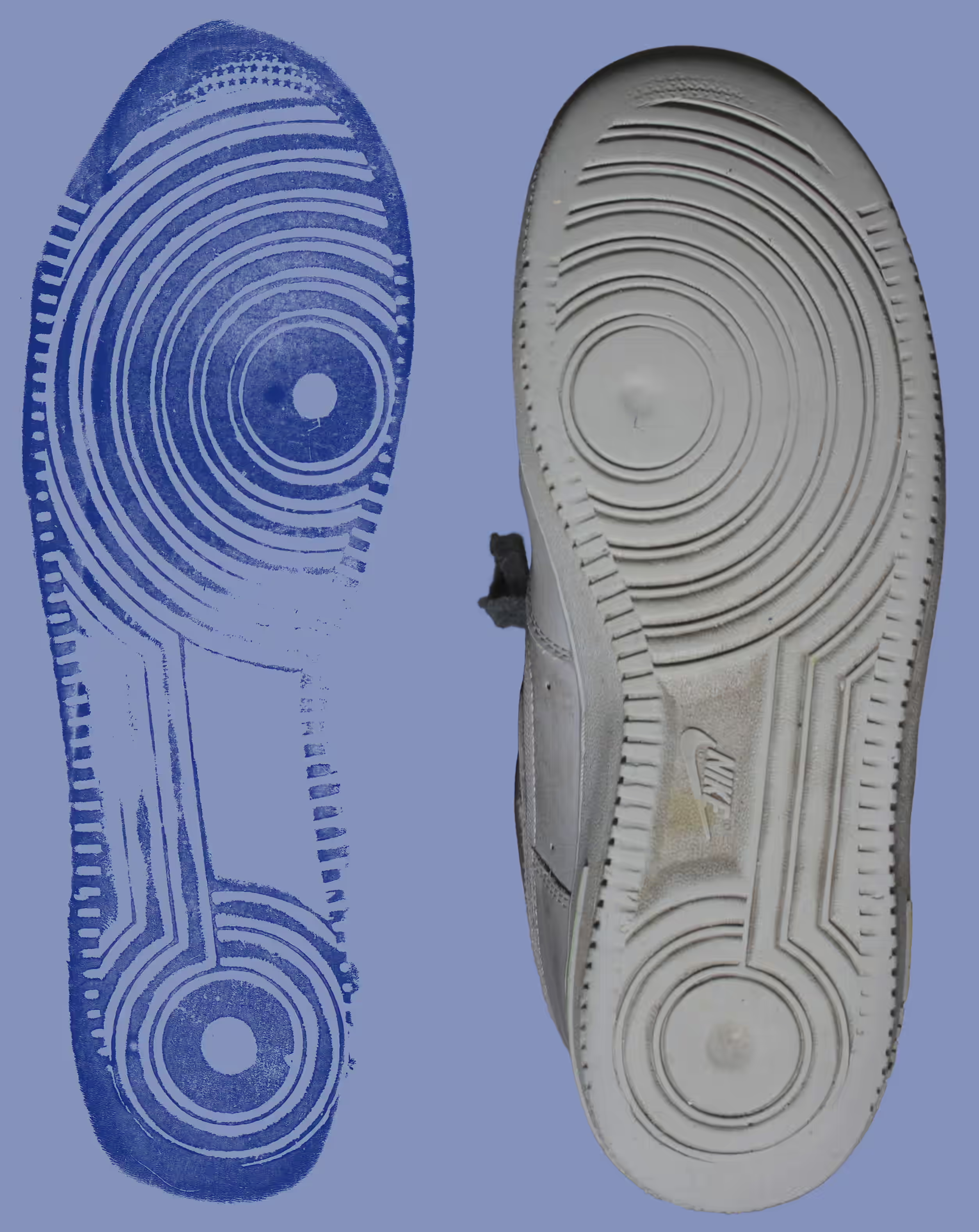
Shoe marks
Questions
Find source, or link marks
Classification
Evidential material
Shoes, shoe marks
Analysis
Microscope, 2D-prints, 3D-molds
Interpretation
Expert opinion
30 CriminalisticsCharles Berger
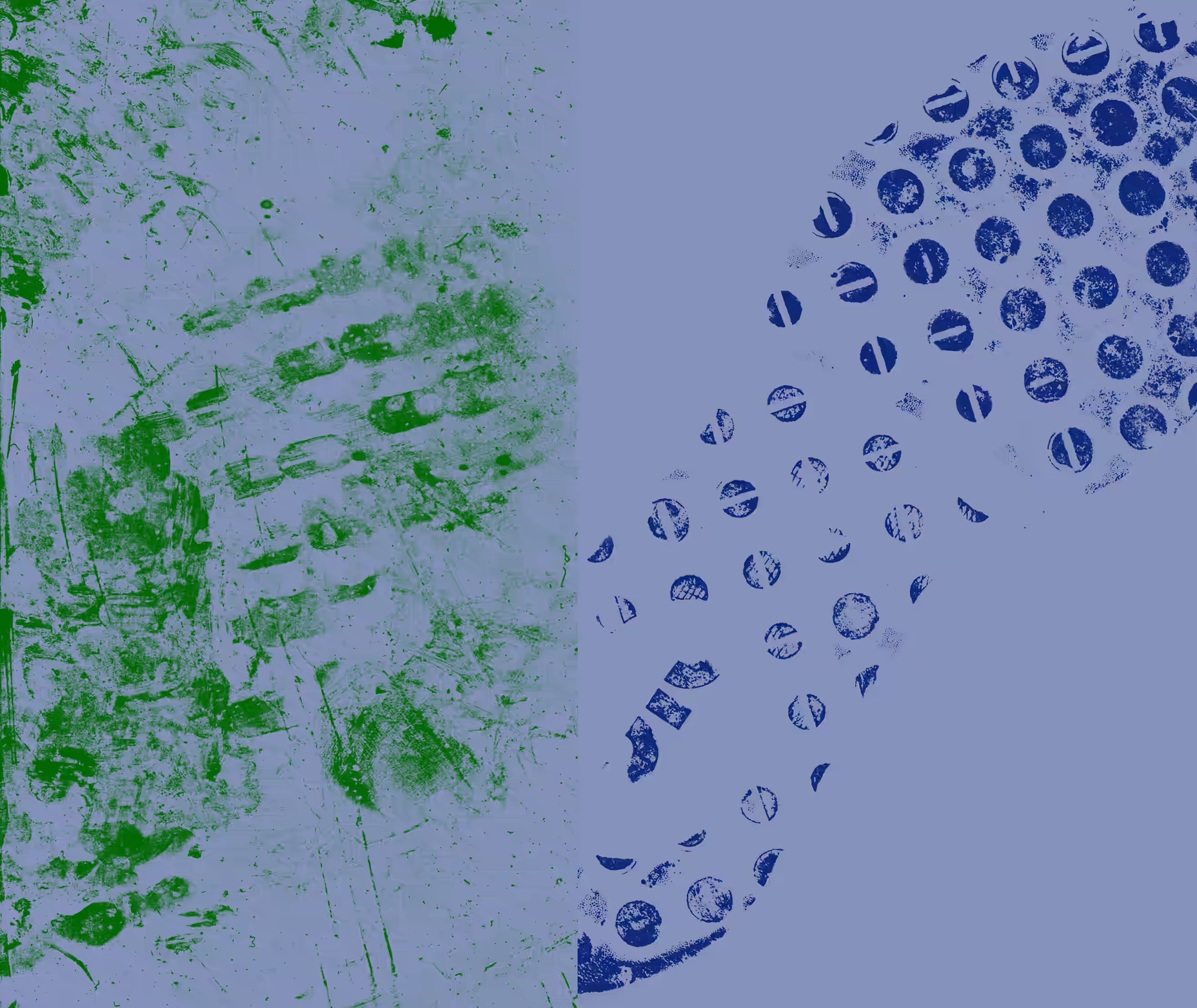
Shoe marks
Analysis
Observed features
Sole pattern
Size
Manufacturing irregularities
Wear, damage
Comparison
Interpretation
Expert opinion
Knowledge
Experience
Databases
31 CriminalisticsCharles Berger
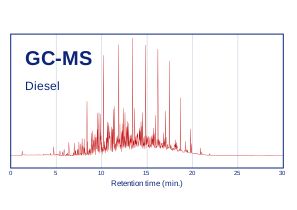
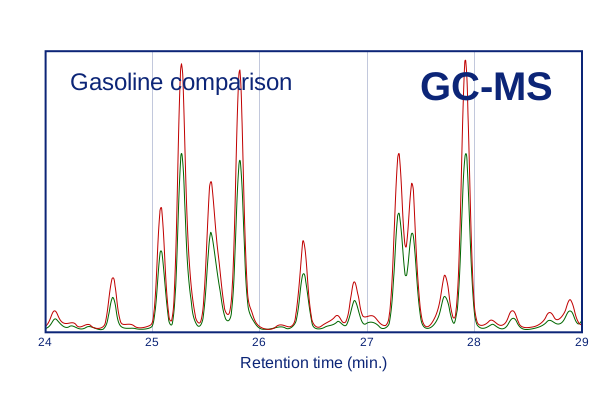
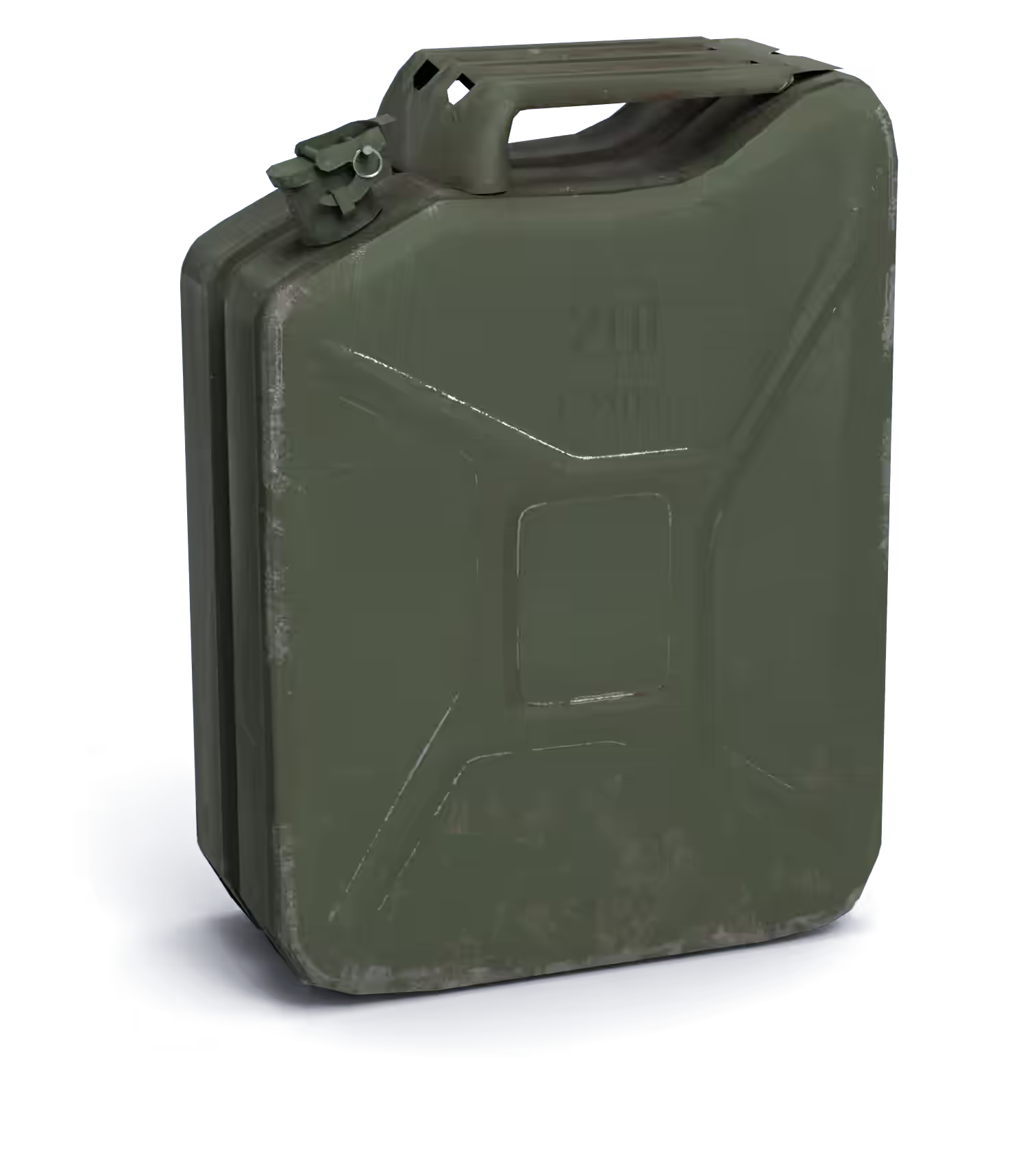
Fire accellerants
Questions
Classification
Source
Evidential material
Liquids
Fire debris
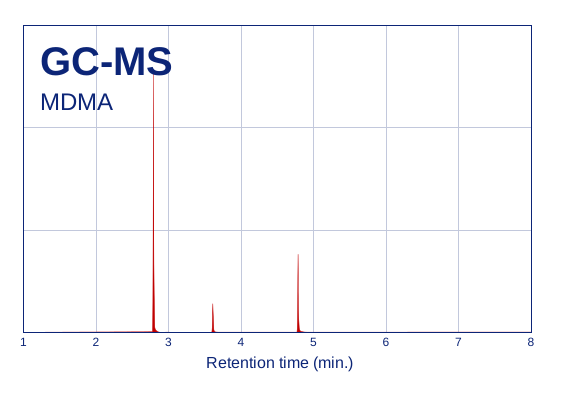
Analysis
GC-MS
Interpretation
Databases
Expert opinion
32 CriminalisticsCharles Berger
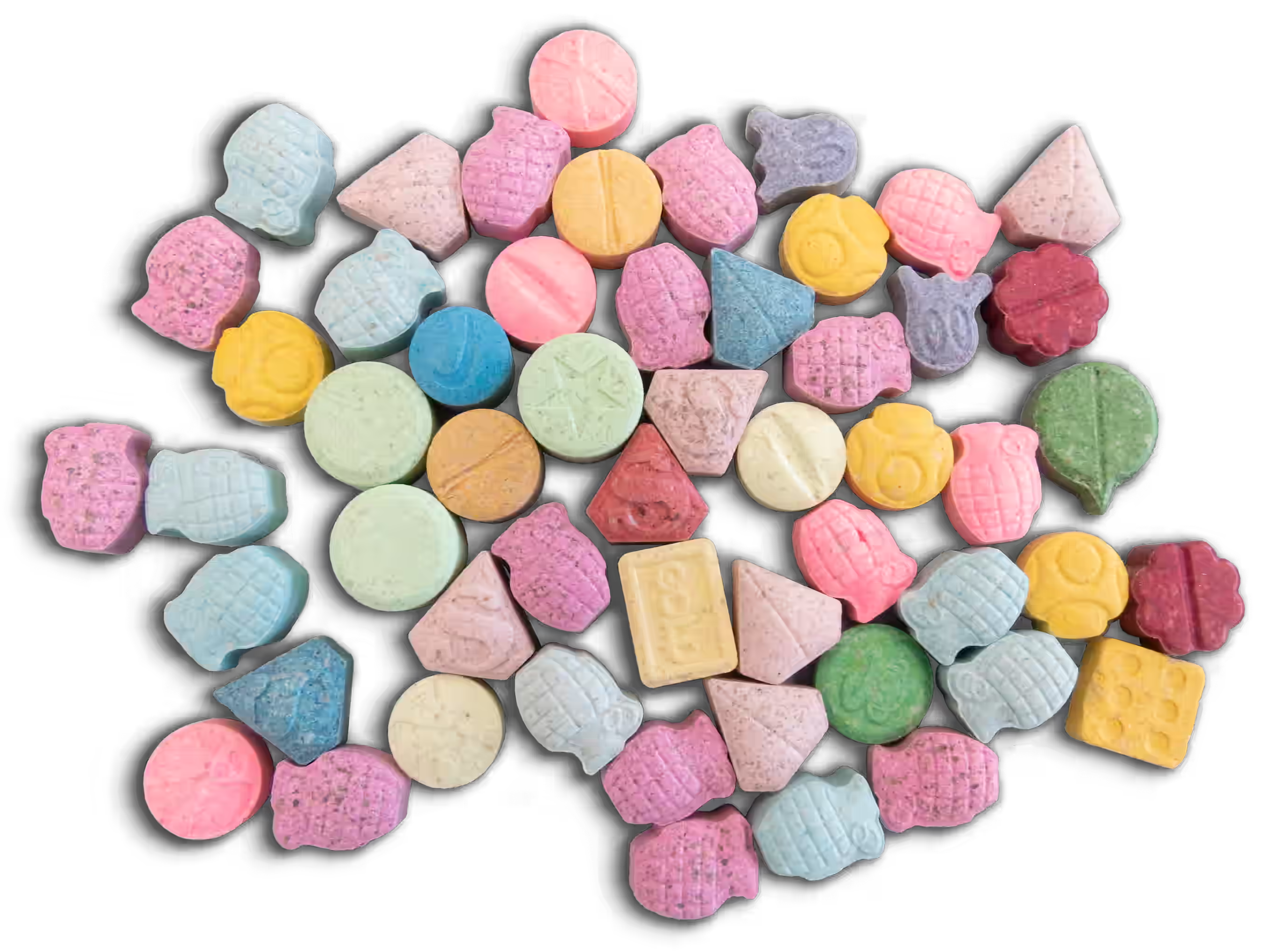
Drugs
Questions
Classification
Quantification
Drugs intelligence
Evidential material
Powders, pills, liquids
Analysis
Micro-chemical tests
GC-FID, HPLC-UV, GC-MS
Interpretation
Databases
Expert opinion
Statistical models
33 CriminalisticsCharles Berger
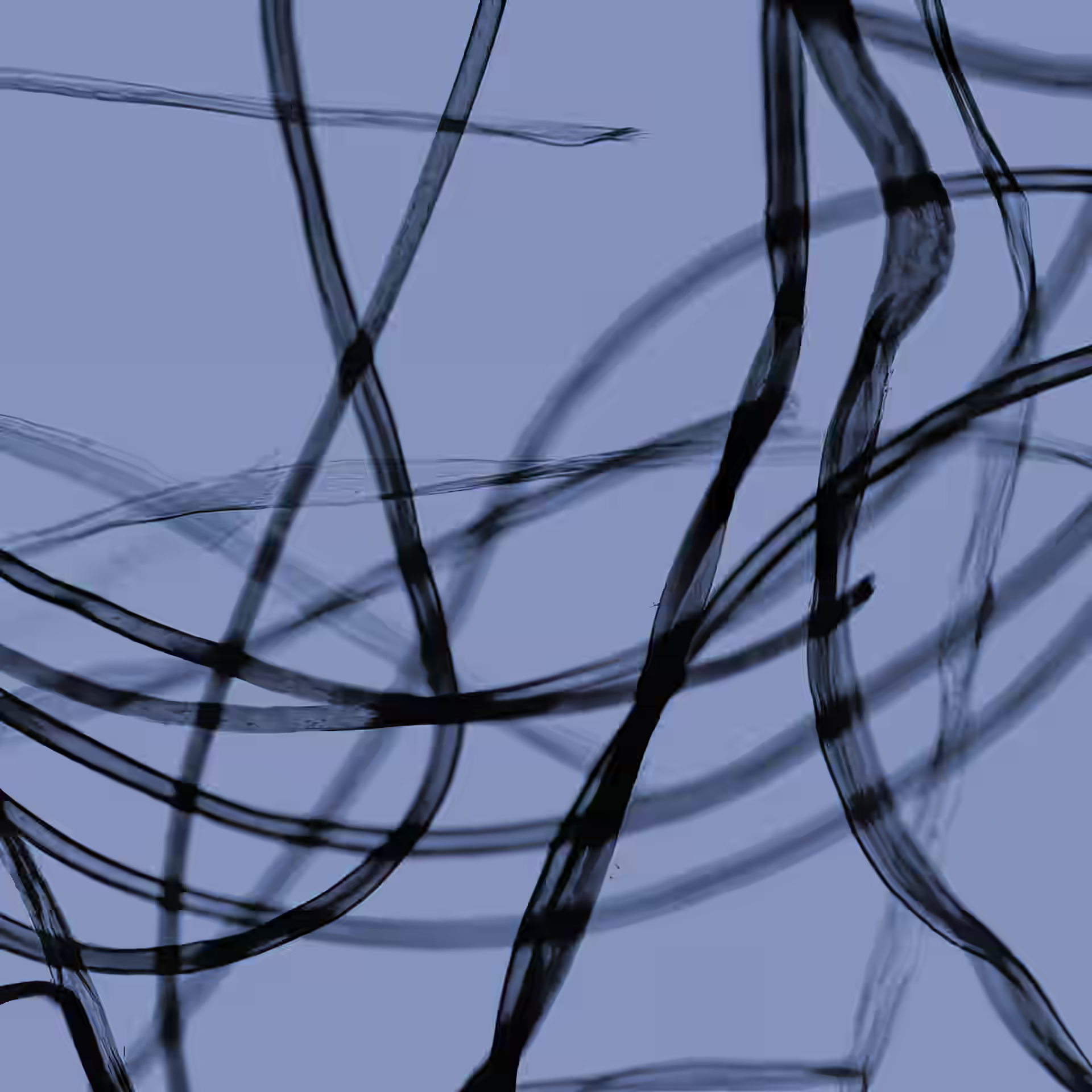
Microtraces
Glass / fibers / paint / polymers
Questions
Source
Transfer, crime scene
suspect
Activity
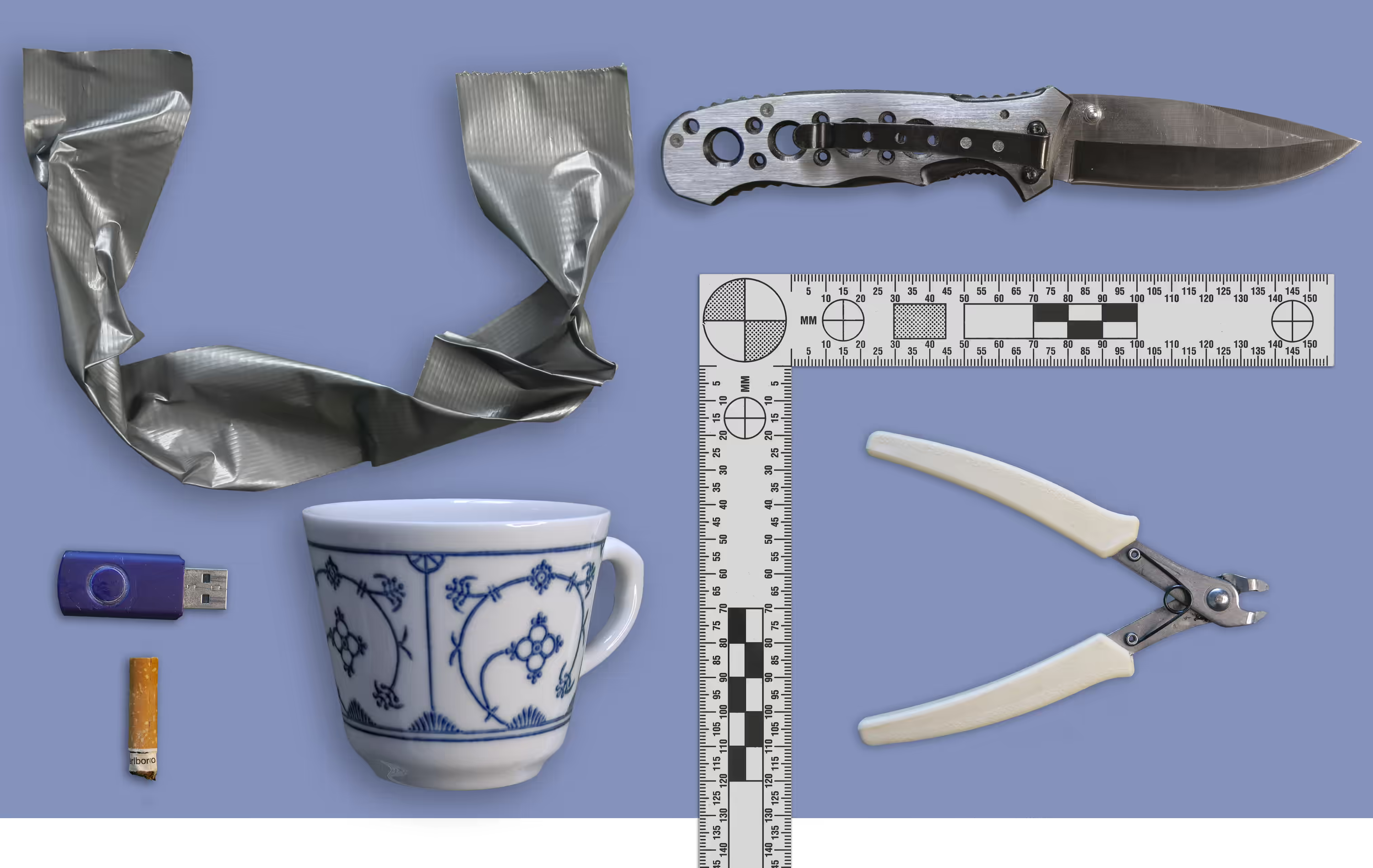
Evidential material
clothes, shoes, cars, objects
34 CriminalisticsCharles Berger
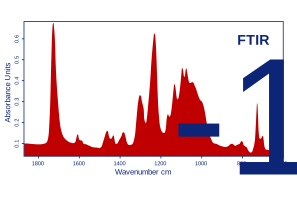
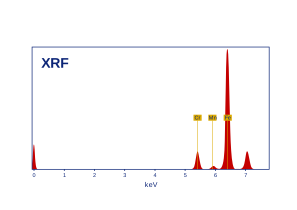
Microtraces
Glass / fibers / paint / polymers
Analysis
Microscopy (all)
Refractive index (glass)
X-Ray Fluorescence - XRF (glass)
FT-IR (fibers, paint, polymers)
Py-GC-MS (paint, polymers)
Inductive Coupled Plasm Mass Spectrometry - ICPMS (glass)
Interpretation
Expert opinion
Statistical models
35 CriminalisticsCharles Berger
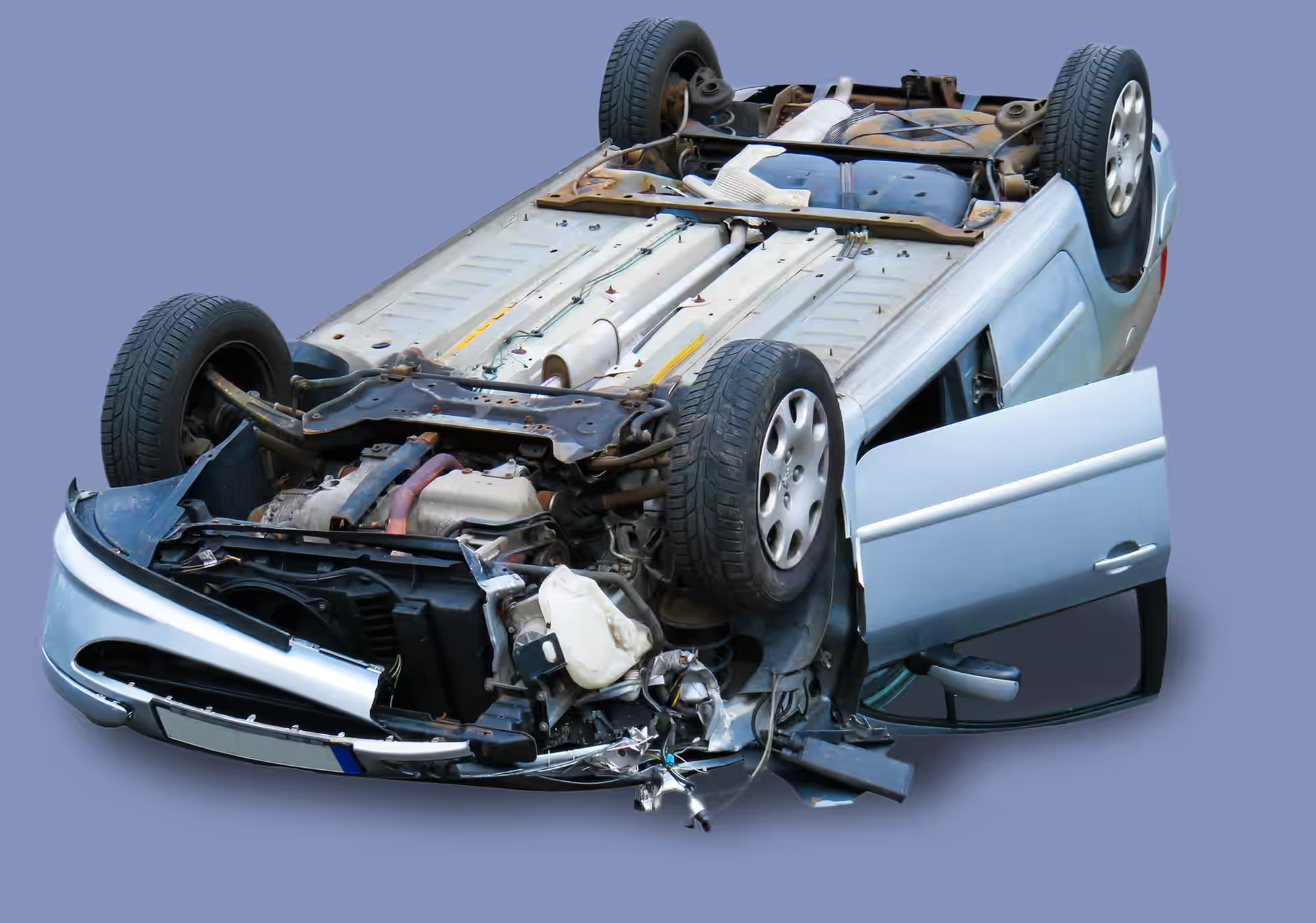
Traffic accidents
Questions
Reconstruction, speed
Evidential material
Vehicles, tire marks
Analysis
Monte-Carlo simulation
Interpretation
Based on statistics and simulations
36 CriminalisticsCharles Berger
Gun shot residue
37 CriminalisticsCharles Berger
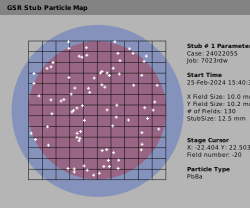
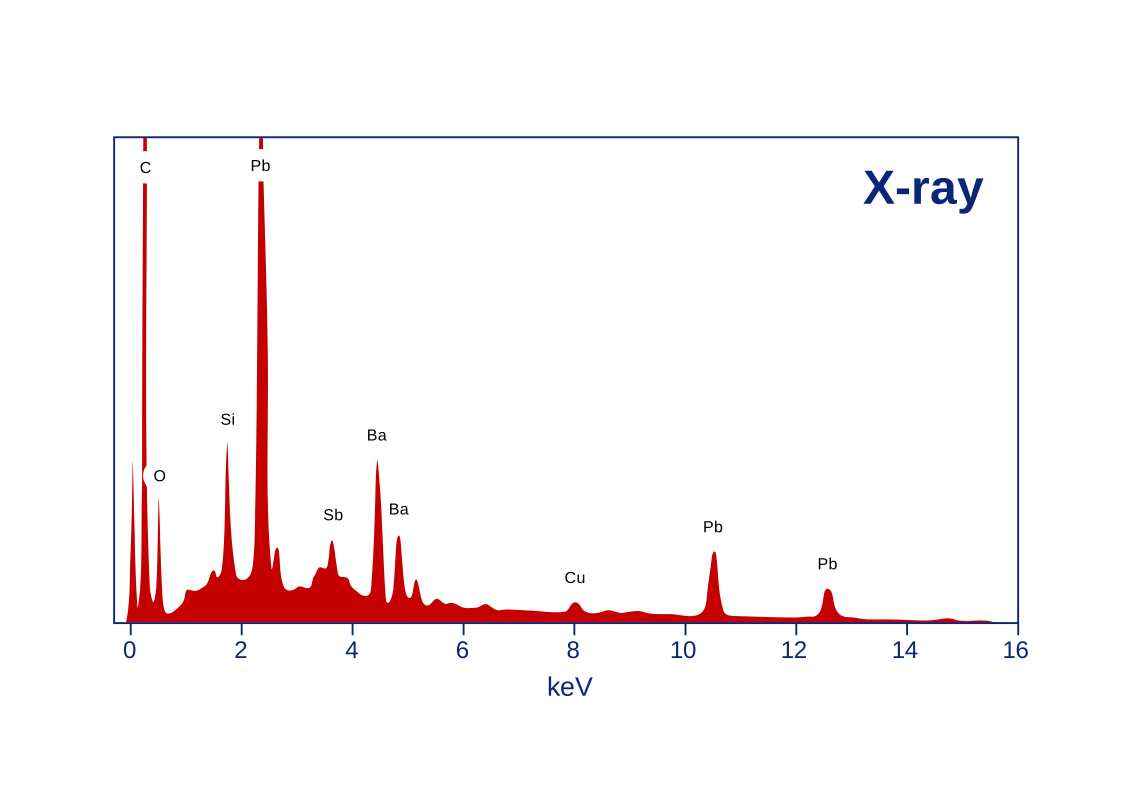
Gun shot residue
10 μm
Questions
Is there GSR?
On suspect / victim
Shooting distance
Evidential material
Stubs (sampled hands)
Clothing
Ammunition
Firearms
38 CriminalisticsCharles Berger
Gun shot residue
Analysis
Chemical tests
Scanning Electron Microscope
X-ray analysis
Interpretation
Expert opinion
39 CriminalisticsCharles Berger
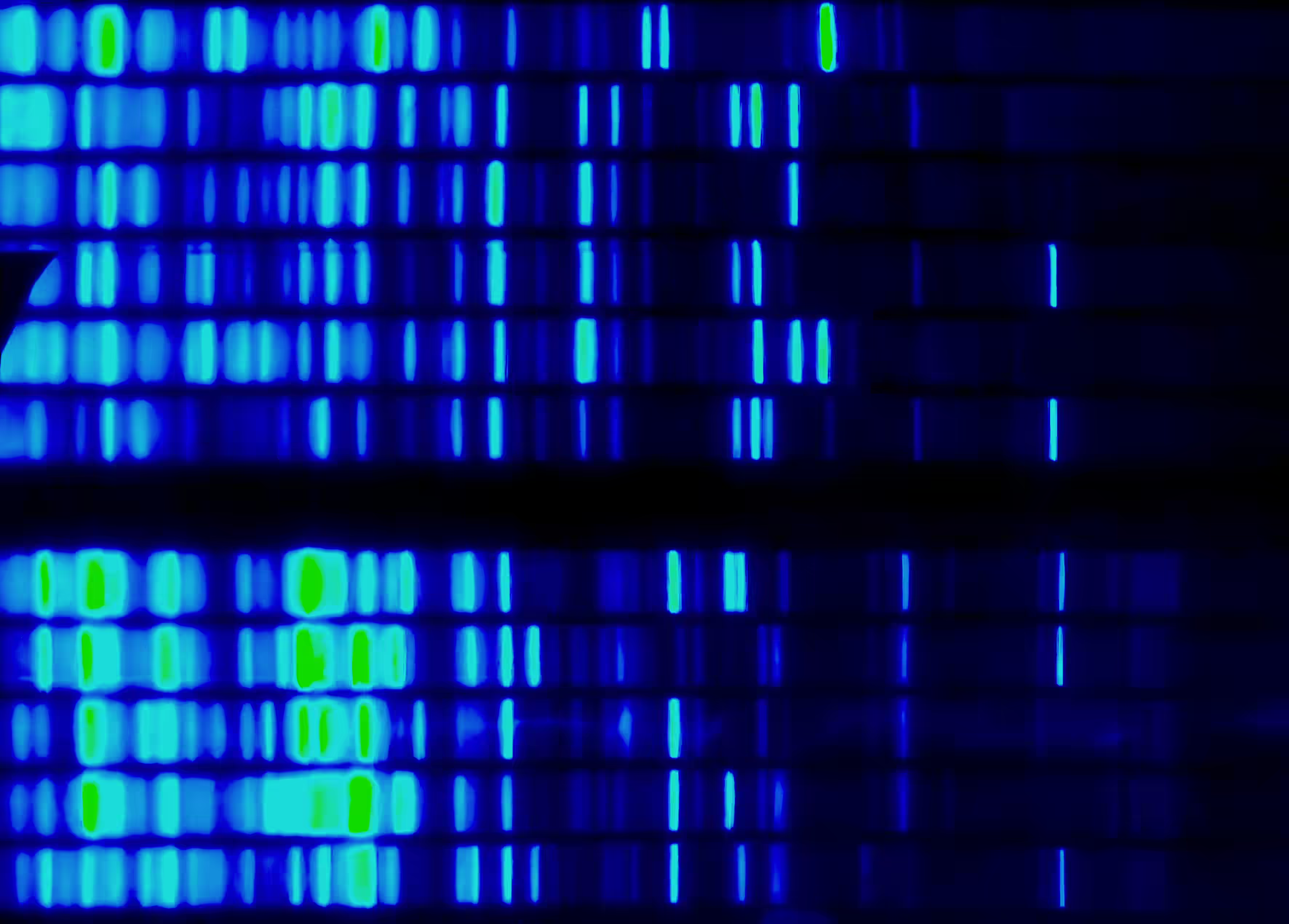
DNA profiling
Alec Jeffreys, 1984
40 CriminalisticsCharles Berger
Human biological traces (DNA)
Questions
Find DNA
Whose DNA is it?
How did it get there?
41 CriminalisticsCharles Berger
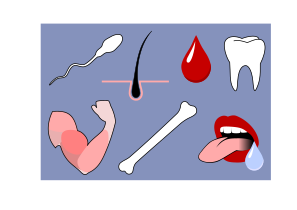
Evidential material (DNA)
42 CriminalisticsCharles Berger
Human biological traces (DNA)
Analysis
Autosomal DNA profiling (STR)
Single or mixed profiles
Also:
Y-chromosomal DNA
Mitochondrial DNA
RNA (cell type)
LCN (Low Copy Number) or low template DNA
43 CriminalisticsCharles Berger
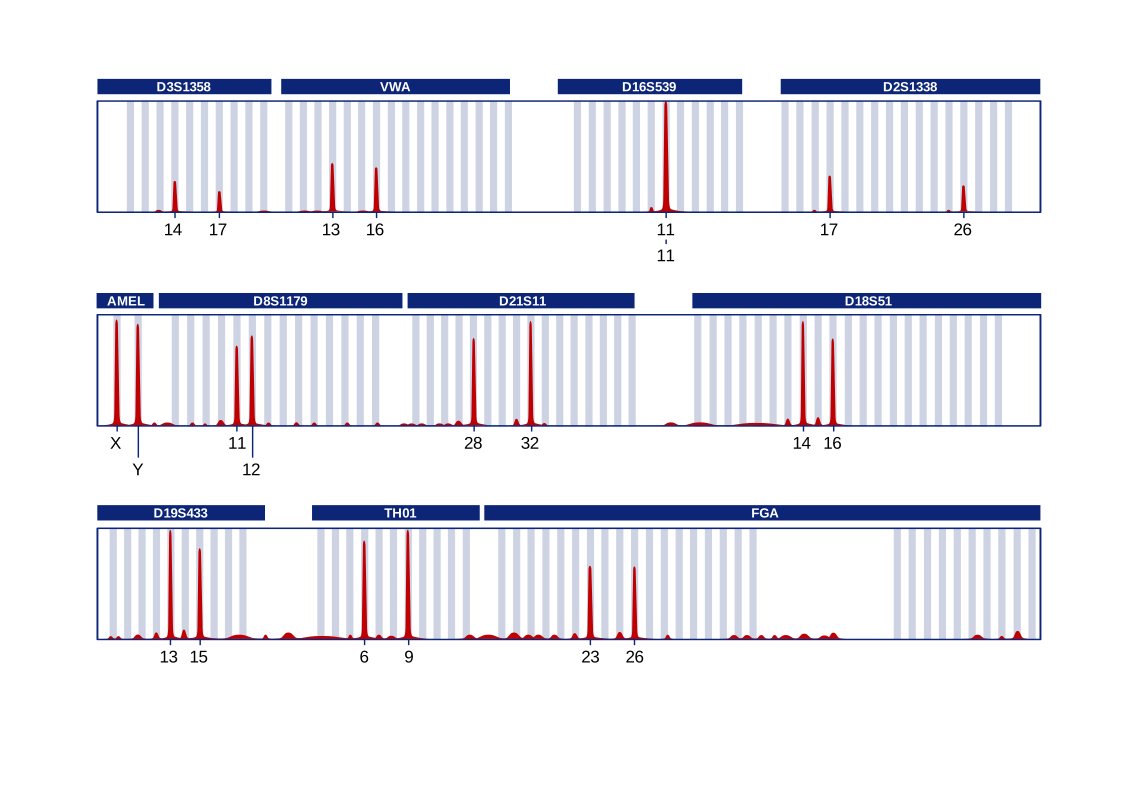
DNA profile
44 CriminalisticsCharles Berger
Human biological traces (DNA)
Comparison
Does the trace profile ‘match’ the suspect’s profile?
Interpretation
Source of trace, random match probability
And less often, but increasingly:
When and how did the trace get there?
What kind of cells are they?
Context is important
Which evidential material?
Where was it found?
Relation material and victim / suspect / perpetrator
45 CriminalisticsCharles Berger
Colophon
Imagery that was not produced by myself is listed here. All imagery was edited for presentation purposes. Despite reasonable efforts, the copyright status and any rights holder of an image cannot always be definitively identified. If you believe you hold rights to an image and object to its educational use, please contact me and I will remove it promptly.
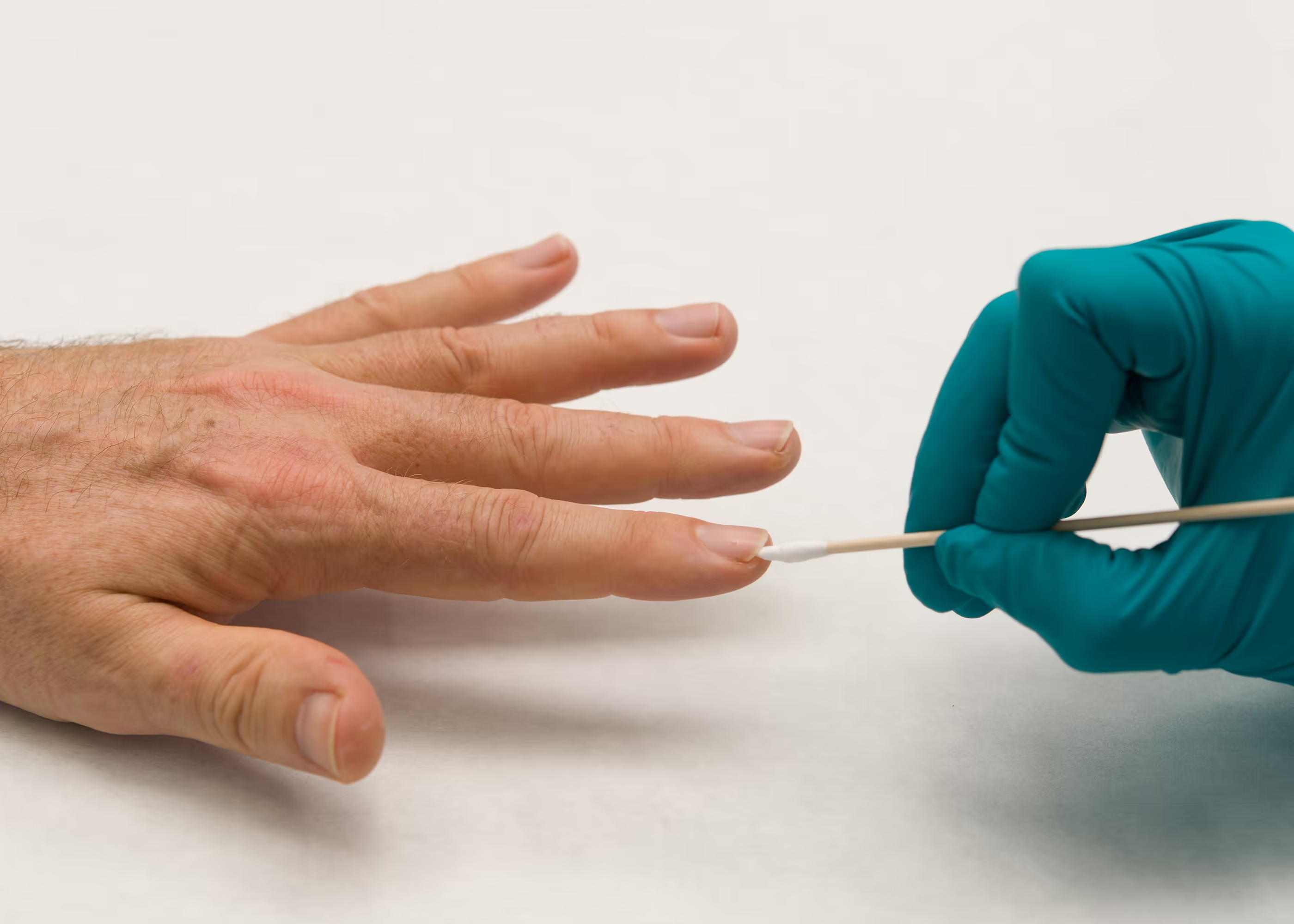
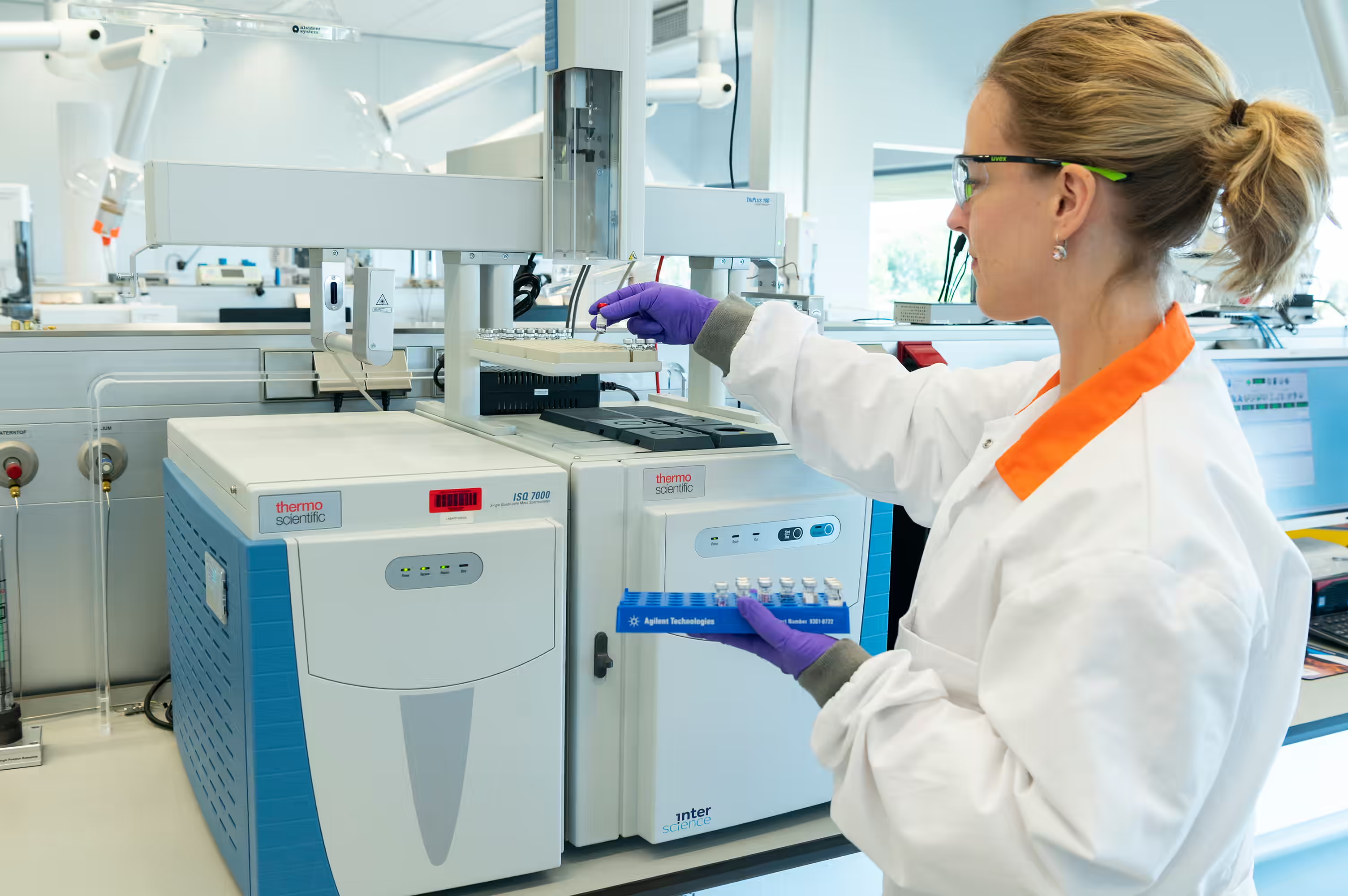
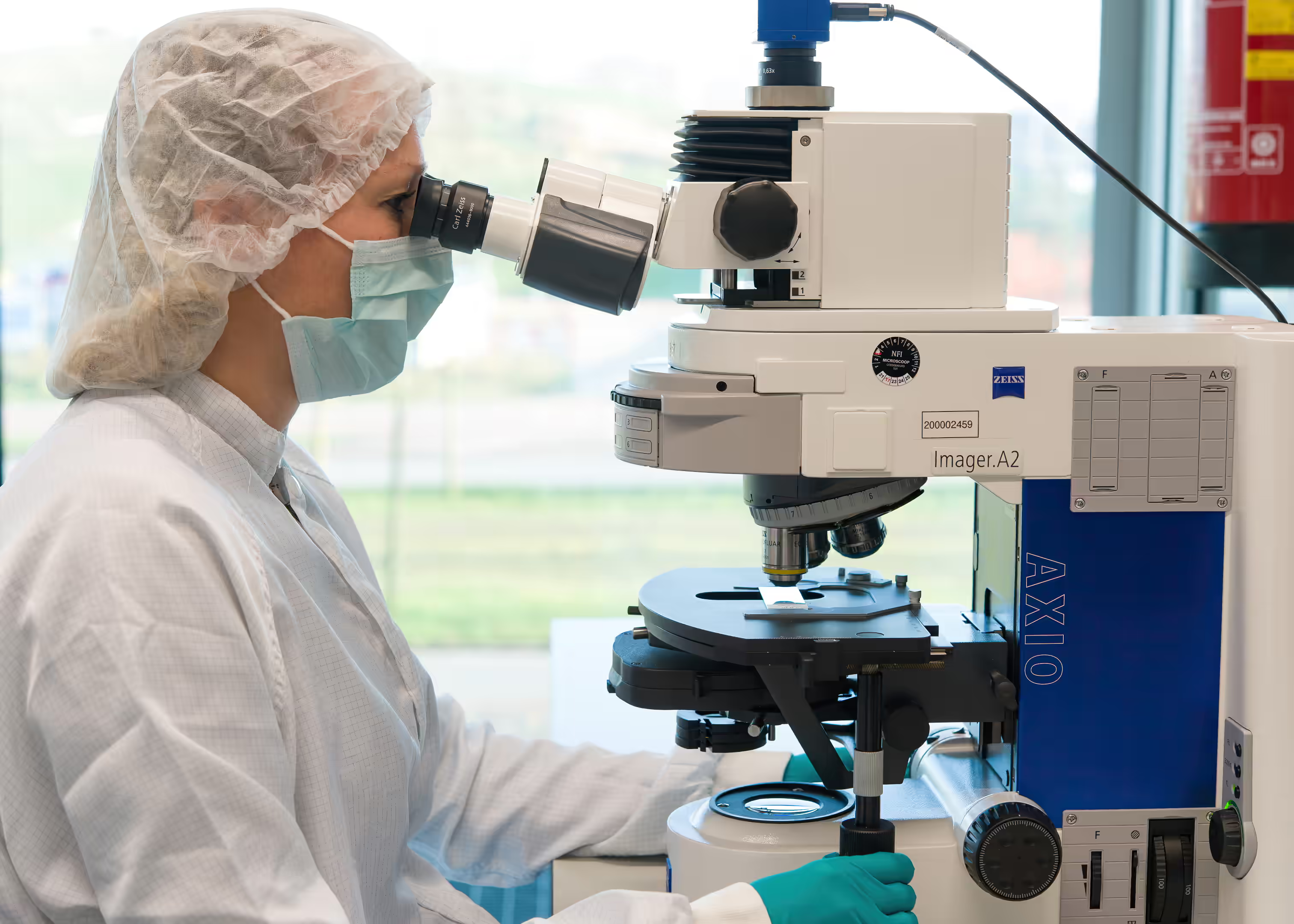
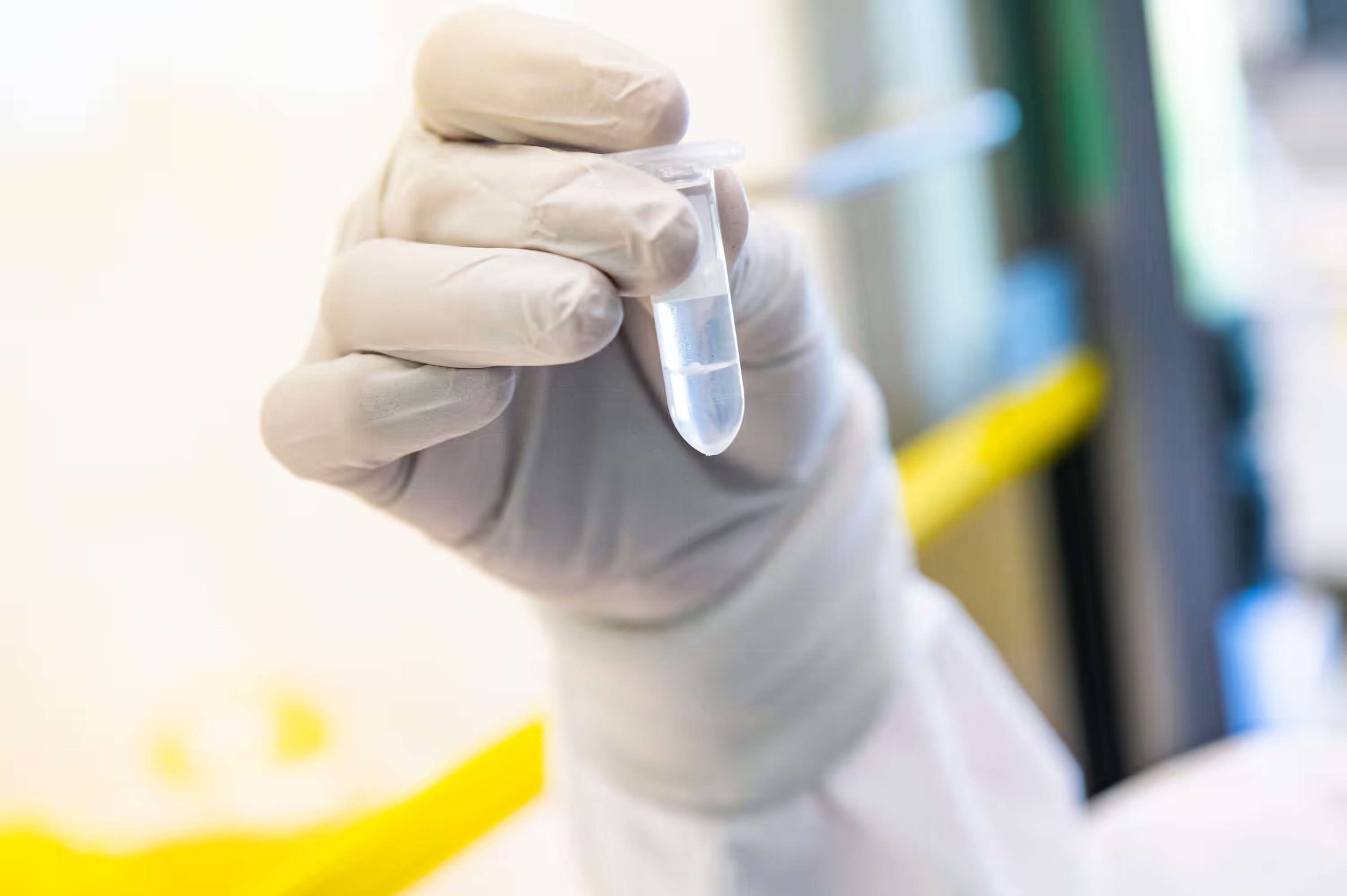
The images in slide: 10-11, 13-19, 21-22 are NFI stock photography, used with kind permission.
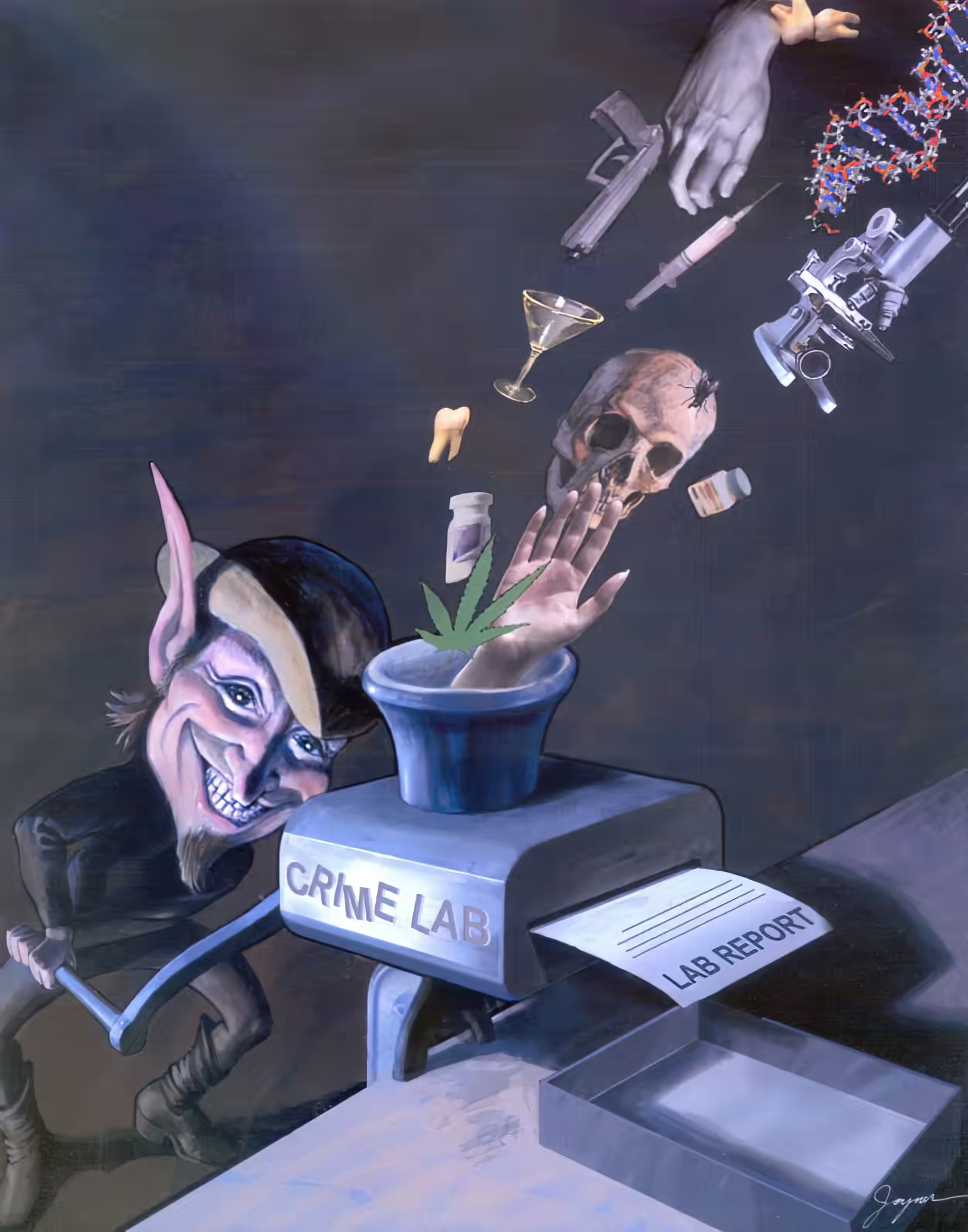
The image in slide 23 is used with kind permission of Calico Press, LLC who commisioned it for CACNews from artist Eric Joyner, and retains the copyright.
The image in slide 28 of a comparison macroscope is used with kind permission of Leica Microsystems.
The image in slide 39 is loosely based on an image in the Wellcome Collection of an early DNA 'fingerprint' contributed by Sir Alec Jeffreys (license).